


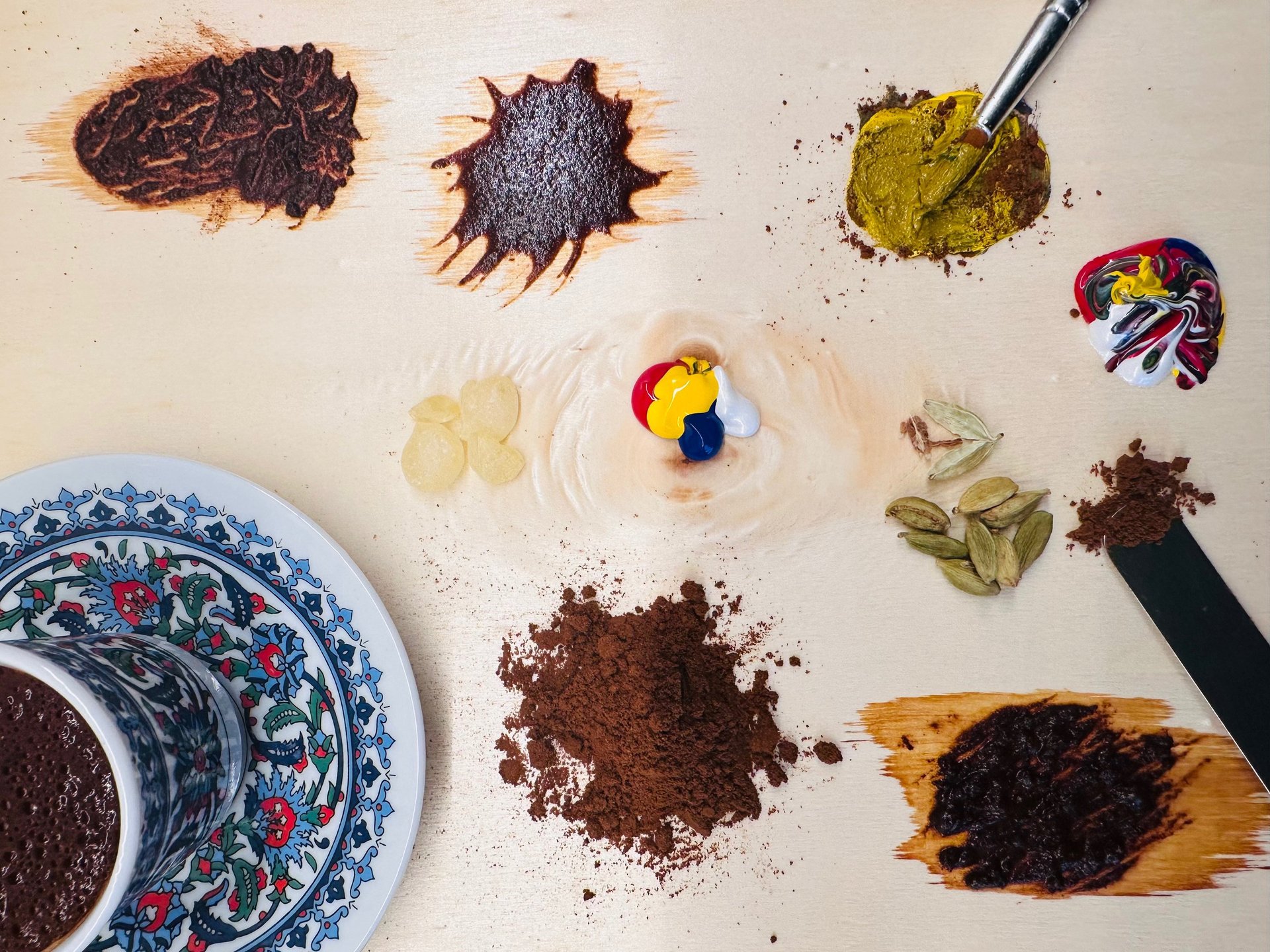
Mocha is not just a beverage.
It is culture and ritual
In many cultures, reading the mocha sediment is a quiet ritual that calls for time, attention, and intuition. The coffee is drunk to the last sip, and the fine sediment remains in the cup.
Through gentle, circular movements and the stillness that follows, patterns and traces form along the inner walls, telling stories.
Mocha is for me more than a material. It is movement, moment, and beginning. From the interplay of time, material-immanent processes, and observation, traces emerge that are not planned but simply appear. They do not prescribe a finished path but offer a direction.
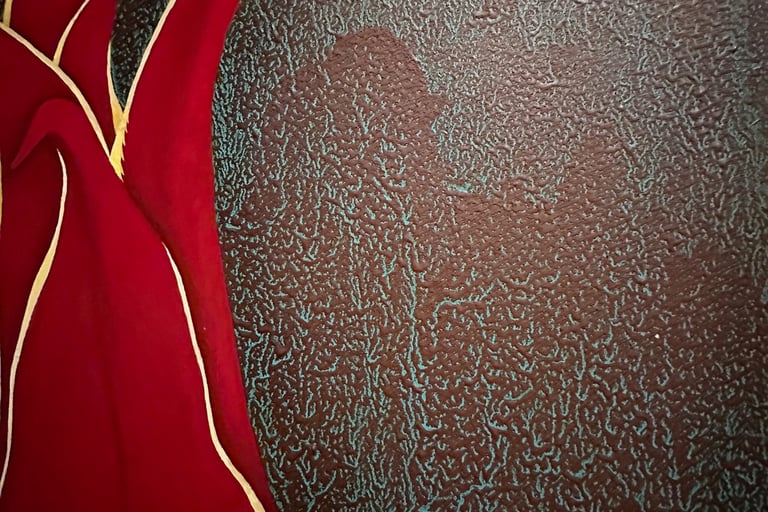
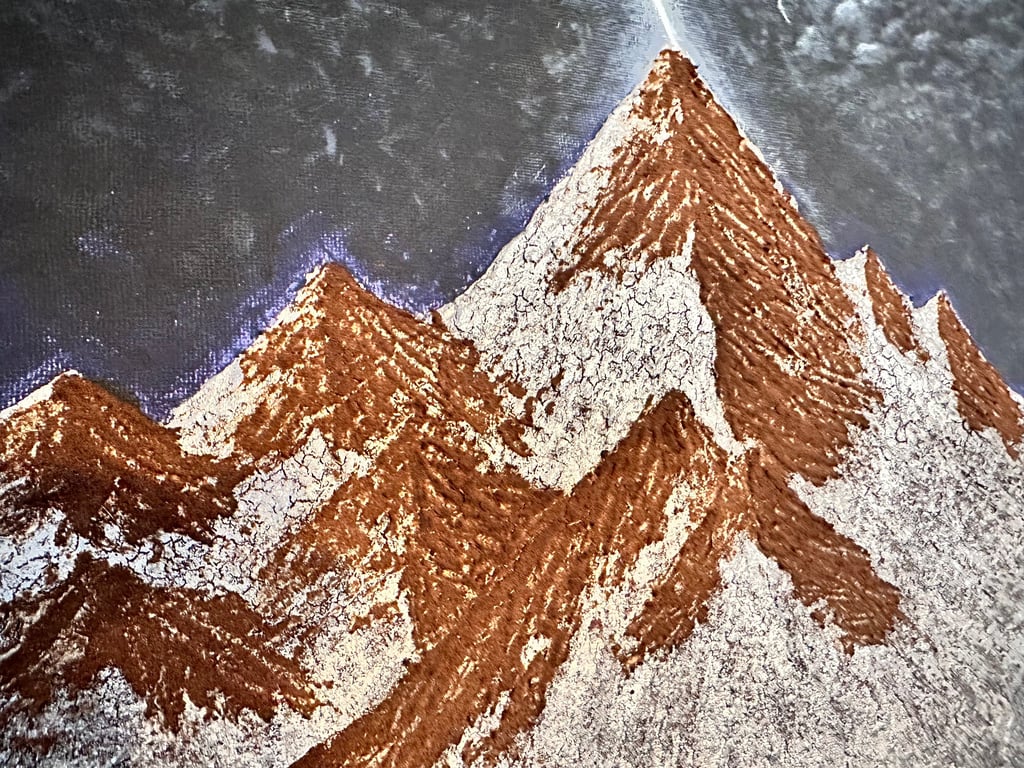
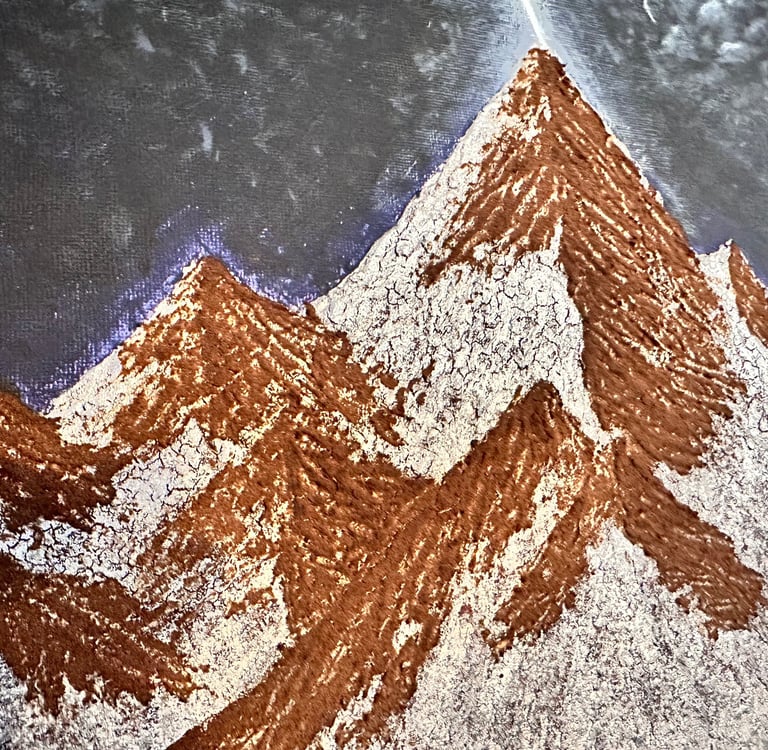
The mocha sediment sets impulses, and I meet them openly. Lines condense, surfaces open. In combination with acrylic, surfaces emerge that feel alive, tangible, and layered, accompanied by the distinctive scent of mocha that younger works still carry physically. In this way, painting becomes a quiet dialogue between material and feeling.
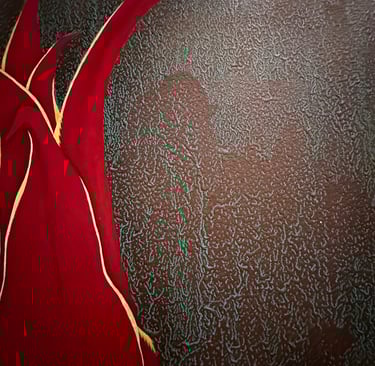
From material, origin, and form to story.
The materials I work with carry history within them. Just as mocha is a cultural heritage, mastic too belongs to the inherited treasures of my origins.
The most renowned and purest mastic comes from the Greek island of Chios. This natural resin has been used as a varnish since the 16th century. Its purity, its protective qualities, and its timeless nature fascinate me. In some of my works I deliberately incorporate mastic as a natural binding agent and surface. Like mocha, mastic is a pure, sustainable natural product.
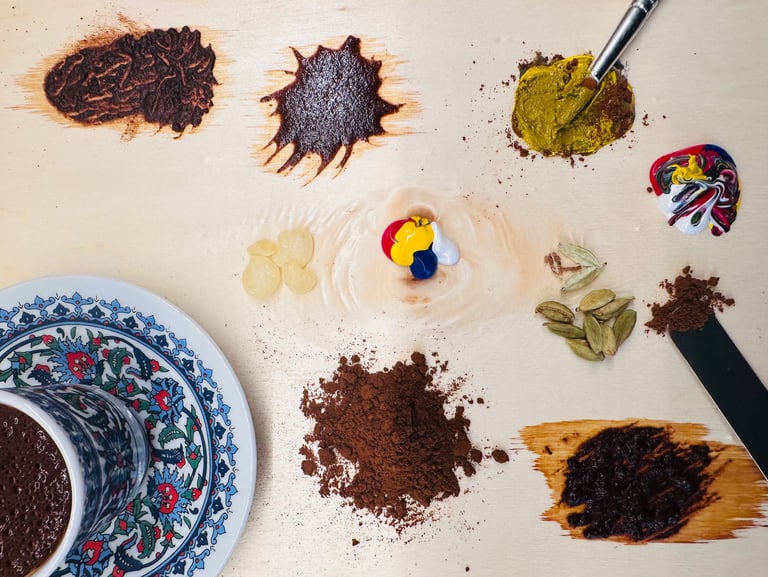
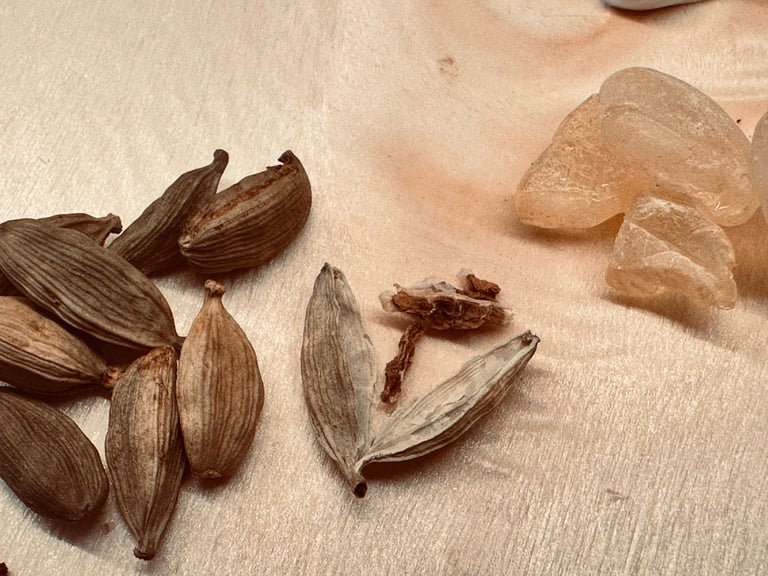
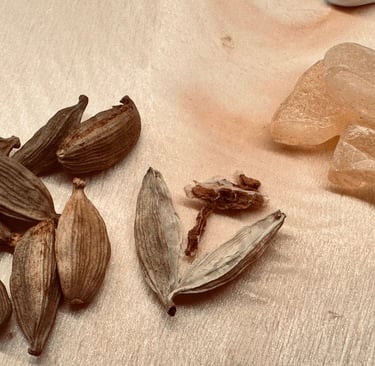
Mocha itself is not a regionally confined drink but a cultural bond stretching from the Balkans to the Orient.
With this breadth come different aromas and rituals. On Chios, mocha is refined with mastic, in the Orient with cardamom. In these variations I find a quiet unity with different nuances and a shared origin.
The mocha sediment gives my works rhythm, depth, and an inner order that is not planned but emerges. What the material leaves behind as it flows, I translate carefully into a visual language through observation, identification, and naming. In this way, an everyday ritual deeply rooted in culture becomes a quiet, sensory process that unfolds materially and leaves room for individual interpretation.
Cultural traces and sensory memories find their way into my motifs, not as representation but as attitude, as material presence. In certain works this space opens further: cardamom carries an additional sensory dimension into the image, while mastic lends selected works protection and a gentle, natural seal.
Each of my works grows from the interplay of material, process, and time and carries its own story within it.
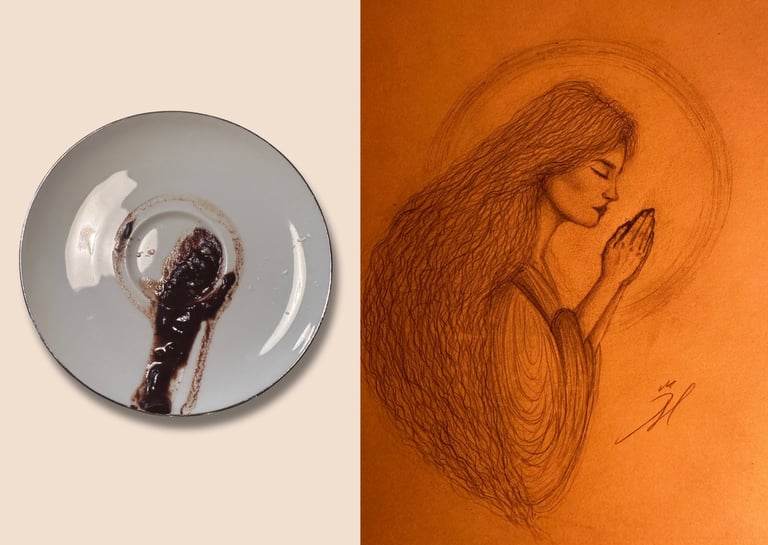
Working with mocha sediment
Working with mocha sediment is demanding and resists every conventional painting routine. Mocha sediment is difficult to control. It follows not my rules, but its own material laws, responds to time, humidity, and environment, dries quickly, and without the right fixative begins to crumble.
Fixation itself is one of the greatest challenges of this technique. After many attempts, tests, and wrong turns, I have developed my own combination of materials that makes it possible to preserve the mocha permanently on the canvas. Only through the precise interplay of the right materials does the mocha sediment remain intact without losing its natural structure, depth, and sensory quality.
Mocha resists conventional painting techniques. It flows, sediments, dries, and cracks according to its own laws, not my intentions. It ages, changes, carries its sensory history within itself, and responds to its surroundings. These qualities make it alive and materially self-willed. It does not fit academic standards and cannot be standardized, and that is precisely where its strength lies.
My practice emerges from patience, experience, and trust in the material. I do not work against the mocha but with it. I observe what it does and read within it what has come into being. In this way a fragile, processual material becomes a lasting work that carries time, transformation, and touch within itself.
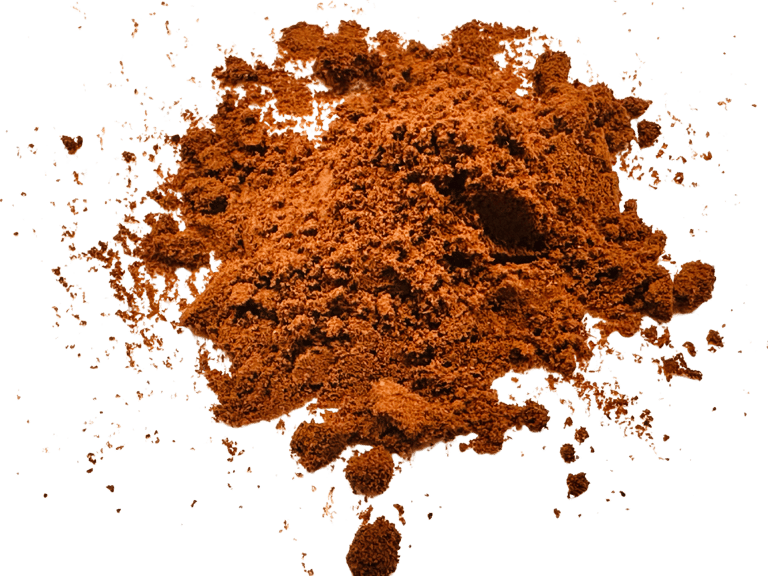
The Ritual of Mocca
Ingredients for One Serving
1 mocha cup of cold water
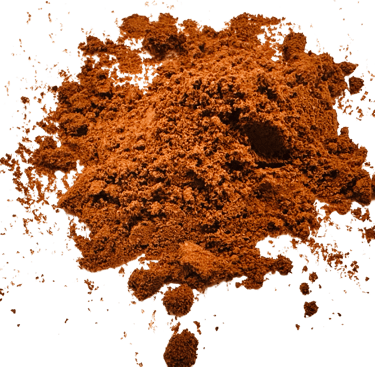
1 heaped teaspoon of finely ground mocha coffee
Optional: 1 teaspoon of sugar for sweet mocha
Preparation
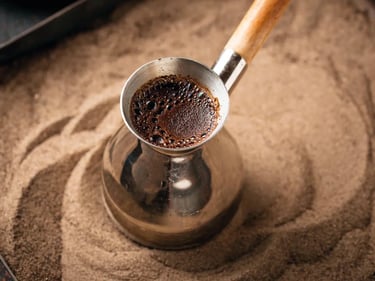
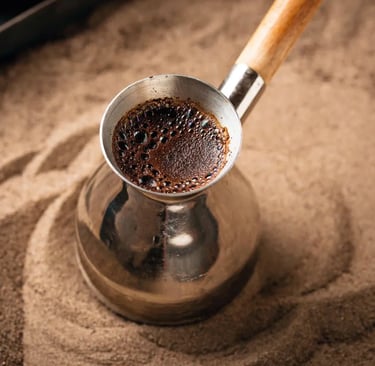
Pour the cold water into a Cezve / Briki.
Add the finely ground mocha coffee.
Add sugar if desired.
Stir thoroughly until all ingredients are evenly combined.
Place the Cezve / Briki over low heat and warm it slowly.
Do not stir again; allow the mocha to heat gently.
Just before boiling, the characteristic foam will begin to form.
Once the foam becomes clearly visible, remove the Cezve / Briki from the heat.
Slowly pour the mocha into the mocha cup.
Spoon the remaining foam on top of the coffee.
Allow it to rest briefly before serving.
Traditionally, mocha is served with a glass of still water.
Enjoying Mocha
Mocha is enjoyed slowly until the fine coffee sediment becomes noticeable at the bottom of the cup. Once the beverage begins to develop a grainy texture, drinking is traditionally stopped and the cup is left to rest for a few moments.
The Ritual of Reading the Mocha Sediment
In many cultures, reading the mocha sediment is a long-standing tradition and ritual.
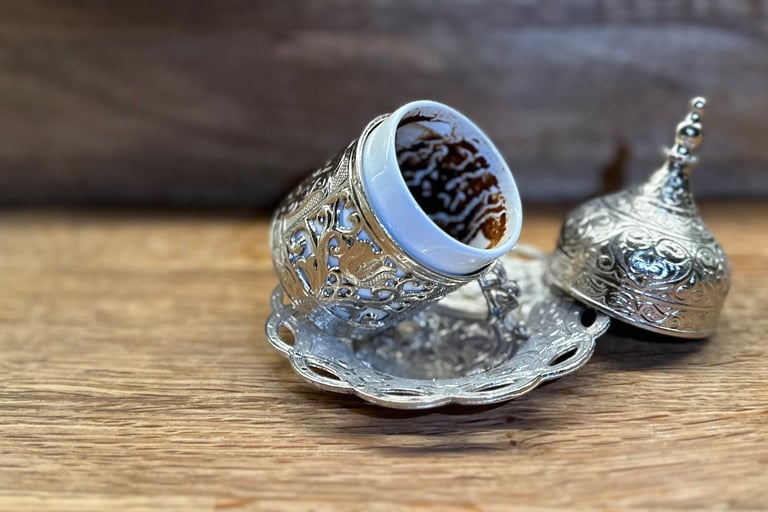
After finishing the coffee, the saucer is placed on top of the cup and held firmly with the thumb and index finger. The cup and saucer are then gently rotated in circular motions. Afterwards, the cup is turned upside down onto the saucer and left to rest for approximately one to two minutes.
During this time, the coffee sediment flows along the inner walls of the cup, creating distinctive patterns and shapes. These formations are traditionally interpreted symbolically and serve as the basis for what is known as mocha fortune reading.
The Second Reading
After the first interpretation, the cup is turned upright again. As this happens, part of the sediment collected on the saucer flows back into the cup, creating additional patterns on the saucer itself.
These markings may also be interpreted according to tradition and form the basis of a second reading. Together, both readings create a more detailed symbolic picture within the cultural tradition of mocha fortune reading.
Reading the mocha sediment is a cultural and ritual practice. Its interpretations are symbolic in nature and are intended to preserve tradition, encourage social interaction, and provide a shared cultural experience.